


What robotic speed reducer components do we offer
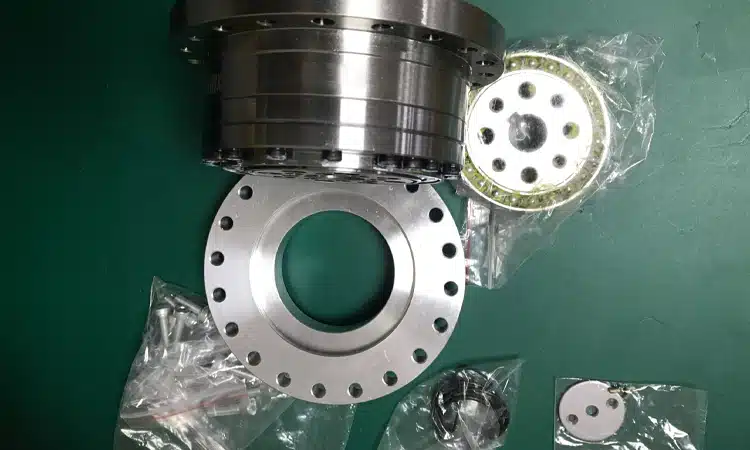
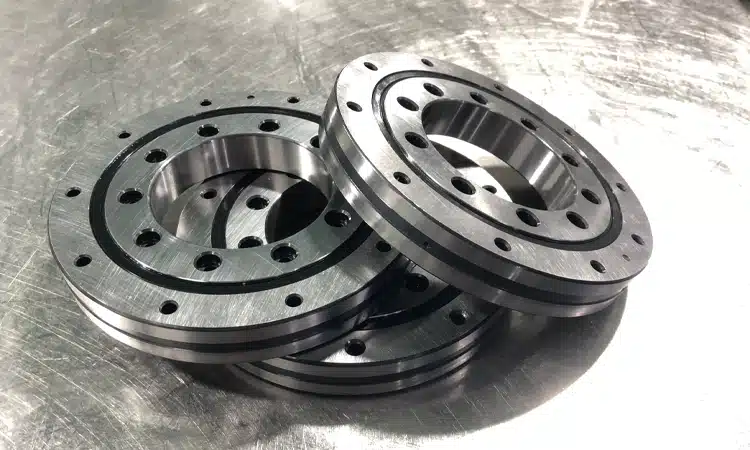
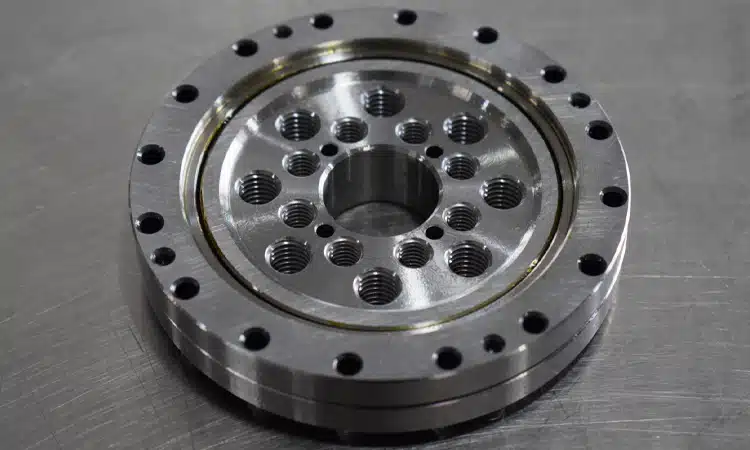
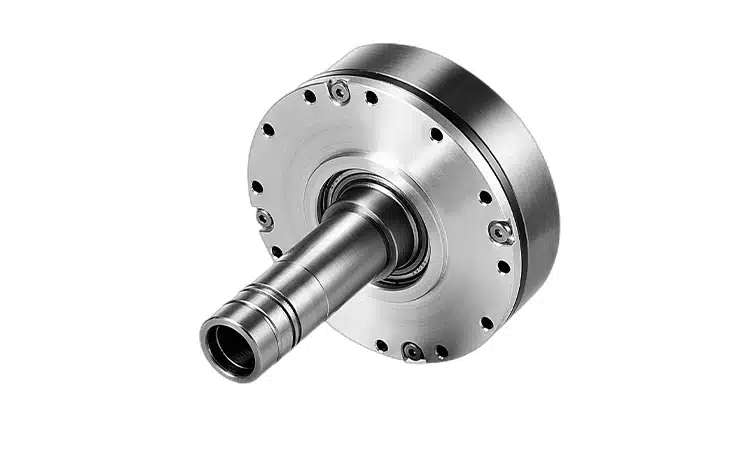
Different robotic applications require different reducer designs and mechanical structures. Dakings Rapid manufactures custom precision components used in various robotic reducer systems, supporting applications from industrial robots to humanoid robots and automation equipment.


Precision Components Inside Robot Gear Reducers
Robot gear reducers consist of multiple precision mechanical components that work together to transmit torque and achieve accurate motion control.
Dakings Rapid focuses on manufacturing the custom mechanical parts required for reducer assembly and integration, helping robotics companies improve performance, reliability, and production efficiency.
Reducer Housings & Structural Parts
Precision-machined housings provide the structural foundation for internal transmission components.
We manufacture:
- Reducer Housing
- Gearbox Housing
- Bearing Housing
- End Covers
- Support Structures
Shafts & Rotating Components
High-precision shafts ensure stable power transmission and accurate mechanical movement.
We manufacture:
- Input Shafts
- Output Shafts
- Drive Shafts
- Crank Shafts
- Precision Rotating Components
Mounting & Connection Components
Accurate interfaces ensure proper integration between reducers, robot joints, and mechanical assemblies.
We manufacture:
- Output Flanges
- Mounting Flanges
- Adapter Plates
- Connection Interfaces
- Alignment Features
Precision Support Components
Critical supporting parts improve component positioning and assembly consistency.
We manufacture:
- Bearing Seats
- Bearing Retainers
- Spacers
- Support Rings
- Custom Mechanical Interfaces
Materials for Robot Reducer Components
Robot reducer components require materials that balance strength, weight, wear resistance, and machining performance. Dakings Rapid supports a wide range of materials based on component requirements and application conditions.
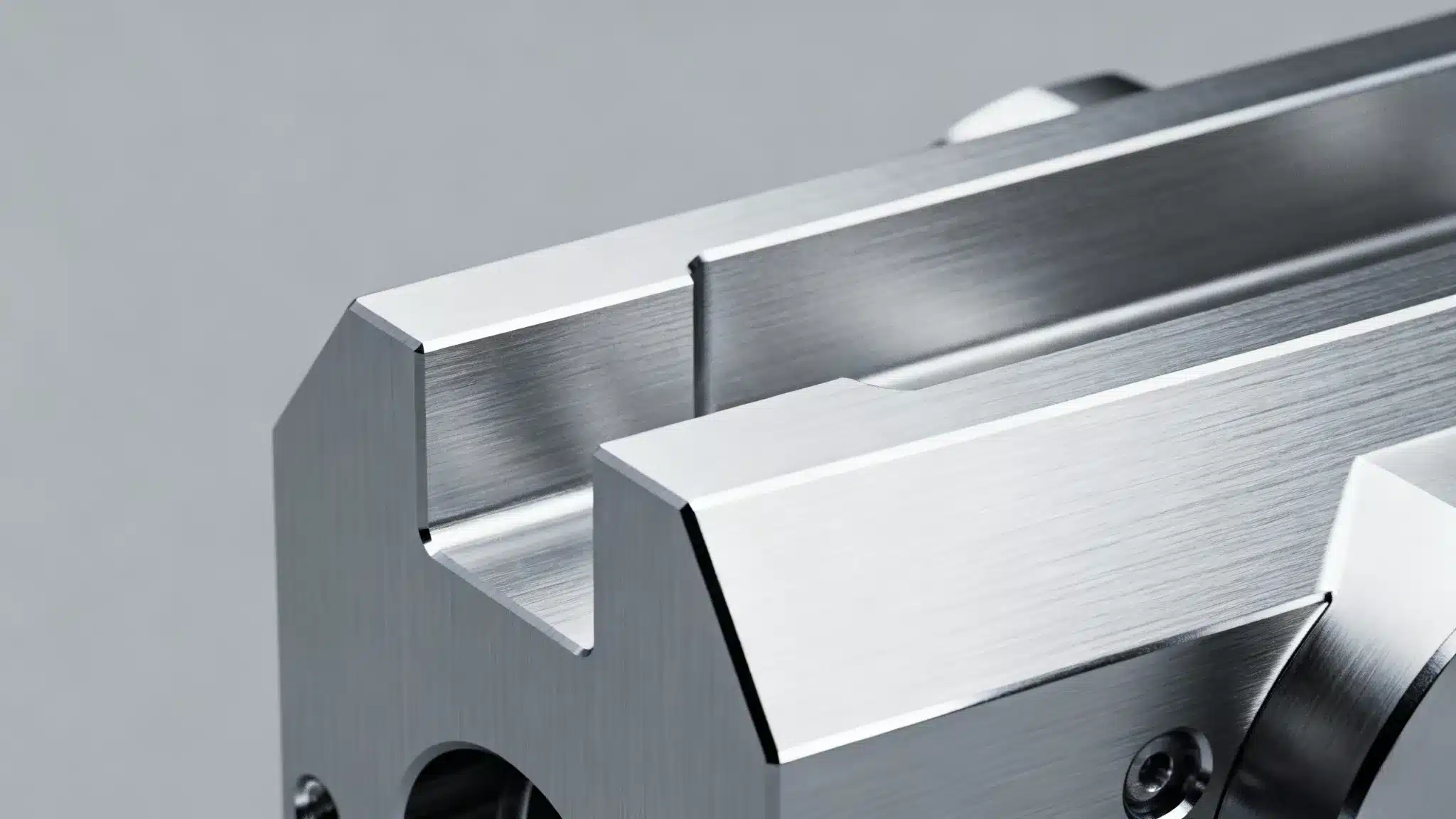
Aluminum Alloys
Lightweight and highly machinable materials commonly used for reducer housings, covers, mounting structures, and support components.

Alloy Steel
Suitable for high-strength mechanical components requiring durability, load-bearing performance, and reliable operation under demanding conditions.
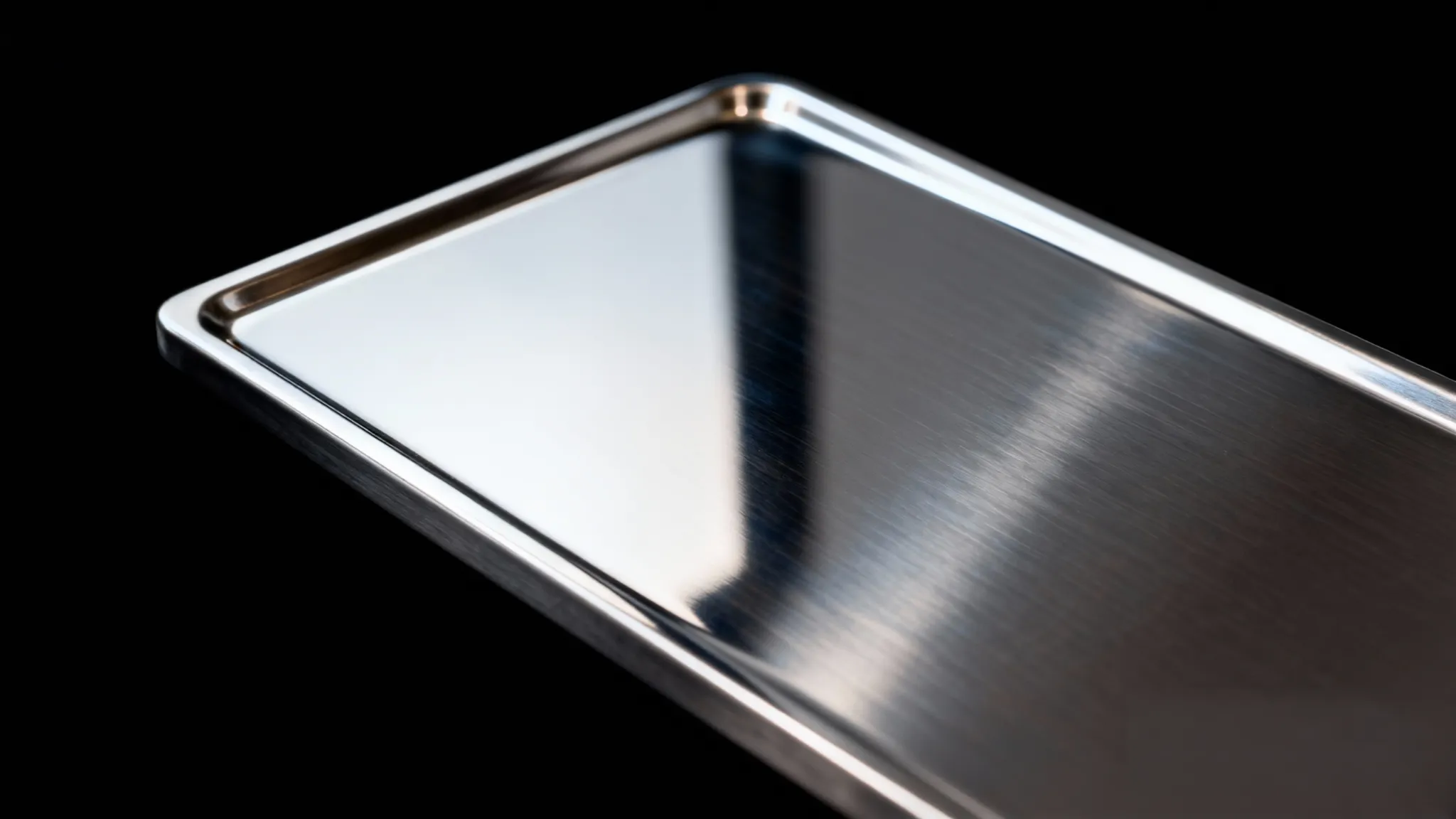
Stainless Steel
Used for components requiring corrosion resistance, strength, and stable mechanical performance in robotic reducer systems.

Engineering Plastics
Materials such as PEEK, POM, Nylon, and PC are suitable for lightweight components, prototypes, and functional parts requiring good wear resistance and dimensional stability.
Need Help Selecting the Right Material?
Our engineering team can evaluate strength requirements, weight targets, machining feasibility, and application conditions to recommend the most suitable material solution for your robot reducer components.
Engineering Challenges We Help Solve
Robot reducer components require more than basic machining capability. Each part must meet strict requirements for dimensional accuracy, assembly compatibility, weight optimization, and long-term reliability.
Dakings Rapid works with robotics companies to solve manufacturing challenges from prototype development to production.

Maintaining Precision Alignment in Reducer Components
Customer Challenge
A robotics company developed a custom reducer housing for a robotic joint system. During prototype assembly, small dimensional variations affected bearing installation and caused alignment issues between internal components.
Our Solution
Our engineering team reviewed the part design and optimized machining processes for critical bores, mounting surfaces, and alignment features.
Through precision CNC machining and dimensional inspection, we improved component consistency and assembly reliability.
Manufacturing Results
- Improved bearing installation accuracy
- Reduced assembly adjustments
- Better component alignment
- More reliable reducer integration

Lightweight Reducer Structures for Humanoid Robots
Customer Challenge
Humanoid robot developers continuously seek lighter joint systems to improve energy efficiency and movement performance. However, reducing material thickness can create challenges in structural strength and machining stability.
Our Solution
We supported lightweight structural optimization through material selection, machining strategy improvements, and manufacturing feedback during the design stage.
Manufacturing Results
- Reduced component weight
- Maintained structural rigidity
- Improved manufacturability
- Faster prototype validation
