The first step in any successful CNC project is selecting the right material. This decision impacts nearly every aspect of the manufacturing process, from tool life and cutting speeds to the final functionality of the part.
At DakingsRapid, we help you navigate the complex relationship between material properties and manufacturing costs:
- Metals: From the high machinability of Aluminum 6061 (low cost) to the processing challenges of Tool Steel (high cost).
- Plastics: Balancing the stability of PEEK against the cost-effectiveness of ABS.
- Composites: Managing the unique tooling requirements of carbon fiber and G10.
We don't just machine parts; we optimize them. By understanding how different materials affect production time and tool wear, we help you avoid "over-engineering." Our goal is to guide you toward materials that meet your strict performance criteria while keeping your budget and lead times as efficient as possible.
Mastering CNC Machining: The Intersection of Precision and Material Strategy
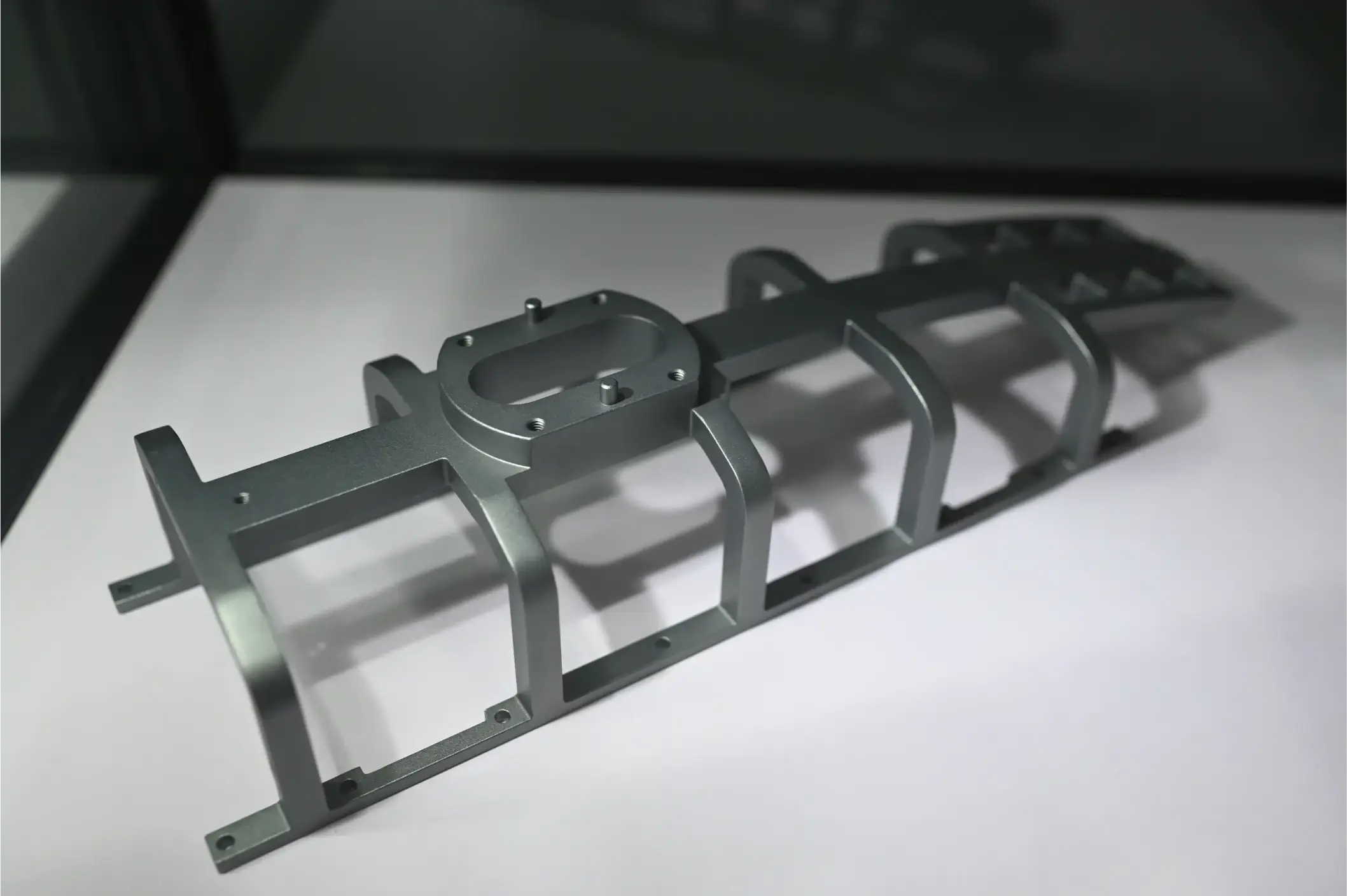
Computer Numerical Control (CNC) machining is the backbone of modern high-precision manufacturing. It is a subtractive process where computer-controlled tools shape raw material into ultra-precise end products. However, the success of any CNC project relies on more than just the machine; it relies on the Material Strategy.
The material you select plays a dual role: it dictates the final performance of the part and fundamentally determines the cost of production. A poor choice can lead to excessive tool wear, wasted budget, and part failure, while the right choice balances functionality with economic efficiency.
1、What is CNC Machining?
CNC (Computer Numerical Control) machining is a manufacturing process that utilizes pre-programmed computer software to dictate the movement of factory tools and machinery.
The Process: Starting with a digital 3D model (CAD), instructions are converted into G-code, which guides mills, lathes, and drills to remove material with micron-level accuracy.
The Application: From complex aerospace turbine blades to high-volume automotive engine components, CNC is the standard for industries requiring repeatability and precision that manual machining cannot achieve.
The Tech Stack: Modern CNC systems at DakingsRapid integrate real-time monitoring and AI-driven toolpath algorithms. This allows us to sculpt complex geometries with minimal human oversight, ensuring speed, reliability, and superior surface finishes.
2. The Strategic Importance of Material Selection
Material selection is the critical variable in the manufacturing equation. It directly impacts:
Machinability: How fast can we cut it? (Impacts Cost).
Performance: Will it survive the environment? (Impacts Lifecycle).
Common Material Categories:
Metals: Aluminum is the industry favorite for its high strength-to-weight ratio and excellent machinability. Stainless Steel is chosen for corrosion resistance but requires slower cutting speeds.
Plastics: Materials like ABS or PEEK offer lightweight flexibility and chemical resistance.
Composites: Used for specialized, high-performance applications requiring extreme stiffness.
3. Deconstructing CNC Machining Costs
Understanding what drives cost is the key to designing efficient parts. CNC pricing is rarely arbitrary; it is a calculation of four main factors:
Raw Material Cost: The market price of the stock block (e.g., Titanium is more expensive than Aluminum).
Machinability (Cycle Time): This is often the biggest cost driver. Harder materials take longer to cut, consuming more machine hours and labor. Designing for standard materials can significantly lower costs.
Part Complexity: Complex geometries may require 5-axis machining or multiple setups, increasing programming time and machine hourly rates.
Setup & Tooling: One-time costs for programming, fixture setup, and custom tooling. This is why per-unit costs drop significantly as order volume increases.
The Economics of CNC Machining: How Materials Drive Cost
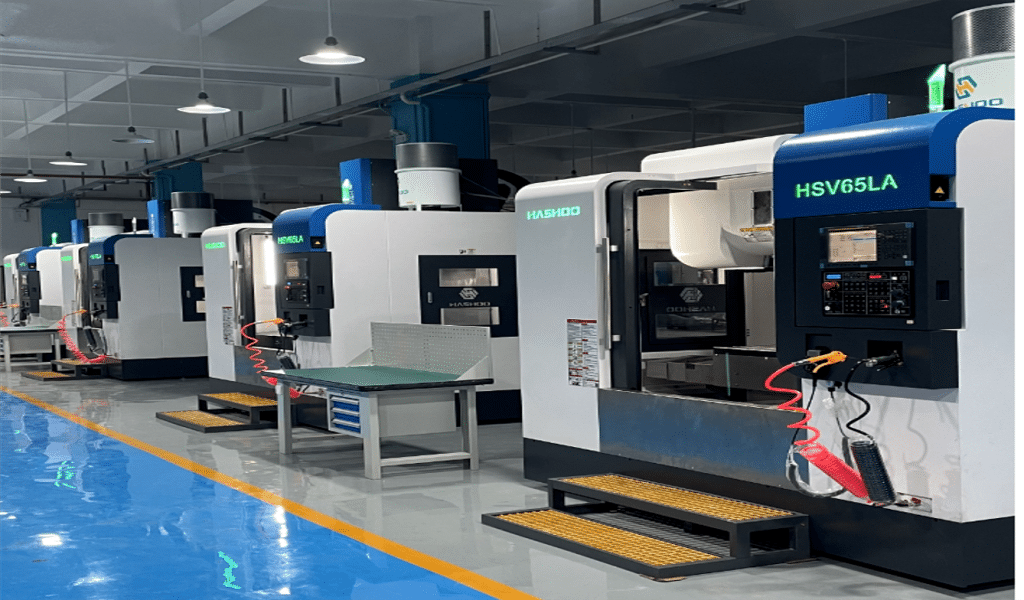
In CNC manufacturing, the price on your quote is rarely arbitrary. It is the result of a complex equation where Material Selection is the primary variable. Understanding how material properties, market volatility, and machinability intersect is the key to optimizing your production budget.
1. Raw Material Market Dynamics
The base cost of your project is determined by the global commodity market.
Market Volatility: Prices for standard commodities like Aluminum and Steel fluctuate based on global energy prices, supply chain disruptions, and international trade policies.
Extraction Costs: Exotic materials like Titanium command a premium not just because of scarcity, but because of the energy-intensive extraction and refining processes required to produce them.
Availability: Using standard, off-the-shelf stock sizes keeps costs low. Specifying rare alloys or non-standard dimensions forces suppliers to source from specialized mills, leading to longer lead times and “scarcity inflation.”
2. The "Machinability" Factor (The Hidden Cost)
While the raw material cost is visible, the Machinability Rating is the hidden driver of the final price. This metric defines how easily a material can be cut.
The “Soft” Advantage: Materials with high machinability (like Aluminum 6061 or Brass) allow for high cutting speeds and feed rates. This reduces Cycle Time—the total time the machine is running—which is the most expensive part of the process.
The “Hard” Penalty: Harder materials (like Stainless Steel 304 or Tool Steel) require slower speeds to prevent tool failure. This significantly increases cycle time. Furthermore, these abrasive materials accelerate Tool Wear, increasing the cost of consumable end-mills and drills.
3. The Intersection of Design & Material
Cost impacts are amplified when complex designs meet difficult materials.
Tolerance Sensitivity: Holding tight tolerances (+/- 0.01mm) on a stable metal is standard. Holding those same tolerances on a hard-to-machine superalloy requires specialized tooling, temperature control, and senior-level operator expertise, all of which bill at a higher hourly rate.
Strategic Advice: To optimize costs, always question if a high-cost material is strictly necessary. Often, a standard grade material with a specialized surface treatment can achieve the same performance at a fraction of the cost.
Key Insight: The track of main property’s management with the material supply chain scenario-also with project requirements-estimates CNC machining costs in a timely manner.
Common CNC Machining Materials: A Selection Guide

Selecting the right material is the first step in optimizing your project for performance and cost. Below is an overview of the most ubiquitous metals and plastics used in modern CNC manufacturing.
1. High-Performance Metals
Aluminum (The Industry Standard)
Aluminum is the most widely machined metal due to its exceptional strength-to-weight ratio and high thermal conductivity.
Key Properties: Lightweight, excellent corrosion resistance, and high machinability (low cycle times).
Applications: Aerospace structural components, automotive engine parts, and consumer electronics enclosures.
Why Choose It: It offers the best balance of cost and performance for parts where weight reduction is critical.
Steel (The Backbone of Industry)
Steel offers unmatched durability and versatility. It is available in numerous alloys, ranging from mild steels (easy to weld) to hardened tool steels.
Key Properties: High tensile strength, wear resistance, and thermal stability.
Applications: Heavy machinery, industrial tooling, construction fasteners, and automotive shafts.
Why Choose It: Select steel when high load-bearing capacity and long-term reliability are the priority, and weight is a secondary concern.
Titanium (The Premium Superalloy)
Titanium is prized for having the highest strength-to-weight ratio of any metallic element.
Key Properties: Extreme corrosion resistance (biocompatible) and heat resistance.
Applications: Medical implants (bone screws), aerospace turbines, and marine subsea equipment.
Why Choose It: While it is expensive and difficult to machine (high tool wear), its properties are irreplaceable for critical, high-stress environments.
2. Engineering Plastics
ABS (Acrylonitrile Butadiene Styrene)
ABS is an impact-resistant thermoplastic widely known for its ease of machining and finishing.
Key Properties: Tough, rigid, and affordable. It bonds well with adhesives and paints.
Applications: Rapid prototyping, automotive interior trim, and consumer electronic housings.
Why Choose It: The “go-to” material for general-purpose prototyping and low-cost functional parts.
Nylon (Polyamide)
Nylon is a semi-crystalline polymer known for its self-lubricating properties and flexibility.
Key Properties: High wear resistance, low friction coefficient, and chemical resistance.
Applications: Gears, bushings, bearings, and snap-fit mechanisms.
Why Choose It: Ideal for moving parts that require low friction and high durability without external lubrication.
Polycarbonate (PC)
Polycarbonate is an ultra-durable engineering plastic that rivals the strength of some metals while maintaining transparency.
Key Properties: High impact resistance (shatterproof), optical clarity, and heat resistance.
Applications: Safety guards, optical lenses, medical devices, and transparent fluid manifolds.
Why Choose It: The best choice when you need the transparency of glass but the durability of high-strength plastic.
Why Choose Composites?
The Competitive Edge Composites (such as Carbon Fiber and Fiberglass) solve problems that metals cannot. By combining a reinforcement fiber with a polymer matrix, we deliver materials that are:
Lighter & Stronger: Achieve the structural integrity of metal with up to 70% less weight.
Chemically Inert: A maintenance-free solution for corrosive environments where chemicals or saltwater are present.
Design-Friendly: Capable of forming complex, net-shape geometries that optimize aerodynamics and ergonomics.
Highly Durable: Superior resistance to fatigue and vibration ensures a longer product lifecycle in demanding applications.
Insulative: Excellent non-conductive properties for electrical and thermal management applications.
Key Factors for CNC Material Selection
处理的长方形铝合金板。表面呈现.jpg "Jimeng 2026 01 05 4606 一张专业材料特写摄影,一块经过阿洛丁(铬酸盐转化)处理的长方形铝合金板。表面呈现")
1. Strength Requirements Define the load. Use Steel/Titanium for heavy lifting and long warranties. Use Plastics for light duty.
2. Operating Environment Protect your investment. Use Stainless Steel to fight rust and chemicals. Use Aluminum to manage heat transfer.
3. Machinability & Cost Time is money. Aluminum is easy to machine and cheap. Hard metals take longer to cut and increase tooling costs.
4. Weight Constraints If the part moves or flies, weight matters. Look to Polymers and Composites to shed grams without sacrificing function.
5. Budget & Supply Chain Check availability early. Exotic materials often have long lead times. Ensure the performance gain justifies the extra cost and potential delay.
Essential Point: We must carefully consider these three specific criteria for choosing a CNC machining material in addressing the performances of the material to guarantee a successful project.
How to Balance Cost & Performance
1. Match Material to Environment Don’t pay for properties you don’t need.
High Stress/Corrosion: Use Titanium or Stainless Steel.
General Use/Internal Parts: Use Aluminum or Engineering Plastics.
2. Avoid Over-Engineering The most durable material is not always the best choice economically. If a cheaper material meets the Safety Factor requirements, it is the superior engineering choice.
3. Leverage New Tech Consider modern composites or optimized alloys. Often, a newer material can offer the strength of metal with the weight (and machining speed) of plastic.
4. Data-Driven Decisions Don’t guess. Use Material Data Sheets and consult with your CNC partner to perform a Value Analysis. This ensures you aren’t just buying raw material; you are buying long-term product success.
How to Lower Your Material Costs

1. Choose “Easy-to-Cut” Materials Select materials like Aluminum or Brass that machine easily. This reduces tool wear and machine running time, directly lowering your bill.
2. Use Standard Sizes Design parts to fit standard bar or sheet stock dimensions. Minimizing the amount of material we have to cut away saves you money on waste and labor.
3. Check Availability Stick to common materials. Rare or custom-ordered alloys increase shipping costs and lead times.
4. Balance Price vs. Performance Does it really need to be Titanium? Often, a cheaper material like Mild Steel or tough Plastic (like ABS) can do the job perfectly well for a much lower price.
5. Ask for Alternatives Our engineers can suggest affordable material alternatives that offer the same quality as your original spec. We can also offer bulk pricing for larger orders.
Result: Material selection may be leveraged to reduce CNC Machining costs, leaving quality and performance untouched, by combining these strategies.
Add Your Heading Text Here
At DakingsRapid, we strictly adhere to lean manufacturing principles to deliver high-quality parts on time and on budget.
Optimized Programming: Our engineers use state-of-the-art CAM software to create efficient toolpaths that reduce machining time without sacrificing accuracy.
Smart Tooling: We select specific cutting tools for every project to maximize material removal rates and ensure superior surface finishes.
Rapid Changeovers: By standardizing our setup procedures and utilizing automated modular fixtures, we minimize downtime between jobs.
Continuous Improvement: We constantly monitor production metrics to identify and eliminate inefficiencies, ensuring our pricing remains competitive and our lead times remain short.
Outcome: The essence of these tactics is in the creation of an applied energy of overall productivity, sector by sector-reaching ultimately the reduction of costs in machining.
How We Optimize for Speed and Quality
1. Optimized Toolpaths We use cutting-edge simulation software to minimize non-cutting time and ensure the most efficient route for every tool, reducing overall cycle time.
2. Smart Material Sourcing We help you select materials that balance performance with machinability, ensuring you don’t pay for unnecessary tool wear or extended processing times.
3. Reliability Protocols Our strict machine maintenance schedule ensures 99% uptime, eliminating delays caused by equipment failure.
4. Batch Efficiency By grouping similar orders and utilizing standardized setups, we reduce changeover times, allowing us to get your parts on the machine faster.
5. “Quality First” Inspection We don’t wait for the final step to check quality. Our In-Process Inspection catches potential issues at the source, ensuring that only perfect parts move to the next stage, eliminating scrap and rework.
Impact: These illustrated strategies assist manufacturers in reducing inefficiency to make for a more sustainable production.
Reference Sources
This study explores material selection and its impact on the cost-effectiveness of CNC milling machines.
Read more on IDEALS at IllinoisThis research discusses how material and process costs are influenced by strategic material selection and utilization.
Access the study on MIT's DSpaceThis analysis examines the role of material choices in manufacturing cost optimization under varying market conditions.
Explore the research on MIT's DSpaceFrequently Asked Questions: CNC Material Selection & Costs
❓ How does raw material selection directly impact CNC pricing?
Material selection affects the price in two ways: Raw Cost and Process Cost.
Raw Cost: The market price of the stock block (e.g., Titanium is more expensive than Aluminum).
Process Cost (Machinability): This is often the bigger factor. Harder materials (like Tool Steel) require slower cutting speeds to prevent tool breakage. Slower speeds mean longer Cycle Times, which directly increases the hourly machine labor cost. Conversely, high-machinability materials like Aluminum 6061 cut fast, significantly lowering the total part price.
❓ How can I use material selection to reduce precision machining costs?
The key is to avoid “Over-Engineering.”
Right-Sizing: Select a material that meets the functional requirements (strength/corrosion resistance) without exceeding them. If a part doesn’t need the extreme heat resistance of Inconel, using it is a waste of money.
Machinability: Prioritize materials that are free-machining. By choosing a material that cuts easily, you reduce tool wear and shorten run times, which drives down the “Cost Per Part.”
❓ Does material cost really have a big impact on the final quote?
Yes. Material cost typically accounts for 30% to 60% of the final part price, depending on complexity. This impact is twofold: you pay for the block of material itself, but you also pay a “risk premium” for difficult materials. Hard-to-machine alloys increase the risk of scrapped parts and consume expensive cutting tools, all of which are factored into the final quote.
❓ How do properties like Tensile Strength and Corrosion Resistance affect machining time?
There is a direct trade-off: Higher Performance = Higher Cost.
Tensile Strength: High-strength materials resist the cutting tool. To machine them, we must lower the RPM and feed rate, increasing cycle time.
Corrosion Resistance: Materials like Stainless Steel 316 are gummy and tough, often requiring specialized coatings on tools and more finishing steps to achieve tolerance.
The Strategy: Engineers must balance the need for durability against the manufacturing budget.
❓ What specific steps can I take to minimize waste and lower project costs?
Minimizing waste (scrap) is the fastest way to improve efficiency.
Standard Stock Sizes: Design parts to fit within standard bar or sheet dimensions. This reduces the amount of material we have to “chip away,” lowering both waste and run time.
Near-Net-Shape: For high volumes, consider starting with a casting or extrusion that is close to the final shape.
Nesting: For sheet metal or plate work, optimized “nesting” software allows us to cut multiple parts from a single sheet with minimal gaps, maximizing material yield.