



L'optimisation de la conception pour la fabrication (DfM) des composants en acier inoxydable nécessite une approche stratégique pour atténuer la faible conductivité thermique et la ductilité élevée du matériau, qui le prédisposent à l'écrouissage. Contrairement à l'aluminium à usinage libre, les nuances telles que 304 et 316 exigent des géométries de pièces robustes pour résister à des forces de coupe significatives ; les concepteurs doivent privilégier des rayons d'angle internes plus importants pour s'adapter à un outillage rigide et éviter les poches étroites et profondes qui limitent l'accès au liquide de refroidissement. En outre, le respect de seuils d'épaisseur de paroi conservateurs - généralement supérieurs à 1,5 mm - est essentiel pour éviter le broutage et la déflexion, garantissant ainsi le respect des tolérances dimensionnelles sans induire d'usure excessive de l'outil ou de distorsion thermique.
Inducteurs de coûts et stratégies d'optimisation dans l'usinage CNC
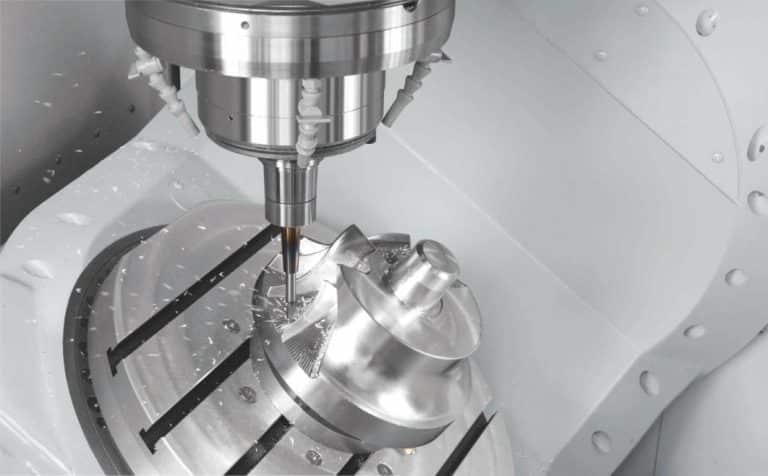
La structure des coûts de l'usinage CNC est définie par l'interaction complexe des propriétés des matériaux, de l'utilisation des machines et des frais généraux de main-d'œuvre. Les dépenses liées aux matériaux englobent non seulement les prix des matières premières, mais aussi les taux d'usinabilité ; les alliages plus durs augmentent les temps de cycle et accélèrent l'usure des outils, ce qui gonfle directement les coûts opérationnels horaires. Les dépenses de main-d'œuvre se répartissent entre les tâches variables de surveillance du temps d'exécution et les tâches fixes d'ingénierie non récurrentes (NRE), telles que la programmation FAO et la configuration des montages, qui ont un impact disproportionné sur la production de faibles volumes où les frais de configuration ne peuvent pas être amortis de manière efficace. En outre, la complexité géométrique et les exigences strictes en matière de dimensionnement et de tolérancement géométrique (GD&T) nécessitent un outillage spécialisé et des cycles d'inspection prolongés, ce qui augmente considérablement le coût par unité. Par conséquent, pour atteindre la viabilité économique, il faut appliquer stratégiquement les principes de conception pour la fabrication (DfM) afin de simplifier les géométries et d'assouplir les tolérances non critiques, en veillant à ce que production les ressources sont allouées strictement aux exigences fonctionnelles.
Stratégies de conception et de fabrication de produits rentables

L'optimisation de la conception des produits en fonction des coûts de fabrication nécessite un équilibre stratégique entre la complexité géométrique, l'usinabilité des matériaux et la logique d'assemblage. En appliquant rigoureusement les principes de la conception pour la fabrication (DfM), les ingénieurs peuvent réduire les temps de cycle et l'usure des outils en simplifiant les caractéristiques - par exemple en maximisant les rayons d'angle et en limitant la profondeur des cavités - et en consolidant les assemblages de plusieurs pièces en composants uniques afin d'éliminer les opérations de fixation en aval. Il est essentiel que le choix des matériaux corresponde strictement aux exigences fonctionnelles ; éviter la surspécification de superalliages difficiles à usiner au profit de nuances facilement disponibles et faciles à usiner permet de réduire considérablement les stocks de matières premières et les dépenses d'exploitation. Enfin, la normalisation des tolérances et des dimensions en vue de l'utilisation d'un outillage standard réduit encore les coûts d'ingénierie non récurrents (NRE), ce qui garantit la viabilité économique sans compromettre les performances.
Approches holistiques de l'optimisation des coûts de fabrication

La réduction des coûts dans les opérations CNC exige une approche systématique qui associe l'efficacité de l'atelier aux décisions d'ingénierie en amont. La mise en œuvre des protocoles Lean Manufacturing et Six Sigma permet aux installations d'isoler les goulets d'étranglement et d'éliminer les mouvements sans valeur ajoutée, tandis que l'intégration de systèmes de maintenance prédictive utilise l'analyse en temps réel pour prévenir les temps d'arrêt imprévus des équipements et les pannes d'outils catastrophiques. Parallèlement à ces améliorations opérationnelles, la gestion stratégique de la chaîne d'approvisionnement - en tirant parti des achats groupés et des réseaux de fournisseurs diversifiés - stabilise les dépenses matérielles. En simplifiant les géométries pour minimiser le re-fixage, en assouplissant les tolérances non critiques et en donnant la priorité aux matériaux à forte usinabilité, les fabricants peuvent réduire de manière significative les temps de cycle et les taux de rebut tout en conservant la fonctionnalité des composants.
Optimiser le coût total de possession grâce à l'intégration de la chaîne d'approvisionnement

L'optimisation du coût total de possession (TCO) dans la fabrication CNC nécessite une stratégie holistique de la chaîne d'approvisionnement qui va au-delà de la simple négociation du prix des matières premières. En mettant en œuvre des protocoles d'inventaire Just-In-Time (JIT) et en consolidant la logistique, les fabricants peuvent minimiser les frais généraux de stockage et la variabilité du transport. En outre, l'implication des fournisseurs dès la phase de conception de la fabrication (DfM) permet de tirer parti de leurs connaissances spécialisées des matériaux pour identifier des alternatives rentables et des améliorations de processus avant le début de la production. Cette approche collaborative, soutenue par l'analyse prédictive pour la prévision de la demande, permet de passer des coûts d'acquisition initiaux à l'efficacité opérationnelle à long terme, en tenant compte de facteurs indirects tels que la longévité de l'outillage, les temps d'arrêt des machines et la consommation d'énergie.
Indicateurs clés de performance pour l'analyse des coûts de la CNC

La validation des stratégies de réduction des coûts dans la fabrication CNC exige un audit rigoureux des mesures financières et opérationnelles, allant au-delà des calculs de base du retour sur investissement pour une analyse granulaire de l'atelier. La meilleure façon de quantifier l'efficacité des processus est de procéder à une analyse du temps de cycle et à un contrôle de l'efficacité globale des équipements (OEE), qui permettent d'isoler des variables telles que le temps de fonctionnement de la broche, la durée du changement d'outil et le temps de manipulation de l'opérateur. Les indicateurs clés de performance (ICP) - en particulier le rendement au premier passage, les taux d'utilisation des matériaux et le débit - servent d'outils de diagnostic ; par exemple, l'escalade des taux de rebut signale souvent la nécessité d'une maintenance préventive ou de l'optimisation du code G. En corrélant ces points de données avec les coûts de production, les fabricants peuvent passer d'un dépannage réactif à un contrôle prédictif des processus, en veillant à ce que les investissements en capital produisent des améliorations mesurables de la rentabilité de l'unité.
Comparaison des stratégies de réduction des coûts
| Stratégie | Impact sur les coûts | Complexité de la mise en œuvre | Délai d'obtention des résultats |
|---|---|---|---|
| Simplification de la conception | Haut | Moyen | Court terme |
| Optimisation de la sélection des matériaux | Haut | Faible | Immédiate |
| Conception pour la fabrication (DFM) | Très élevé | Haut | Moyen terme |
| Collaboration avec les fournisseurs | Moyen | Moyen | Long terme |
| Amélioration continue | Moyen | Haut | Long terme |
| Gestion de la chaîne d'approvisionnement | Haut | Haut | Moyen terme |
Références
- “Optimisation de la conception d'une machine CNC” par Alin Resiga
Cette étude porte sur les paramètres d'usinage optimaux, tels que la vitesse de coupe et l'avance, afin d'améliorer la rentabilité.
Plus d'informations ici - Liste de contrôle pour la réduction des coûts de la CNC
Un guide pratique avec 15 conseils de conception pour minimiser les coûts d'usinage CNC, y compris des recommandations sur la profondeur de la cavité et d'autres paramètres.
Plus d'informations ici - “Conception et développement d'un modèle de coût cible”.”
Cet article développe un modèle de calcul du coût cible pour les processus d'usinage, en se concentrant sur la sélection de paramètres rentables.
Plus d'informations ici - Services d'usinage CNC de l'acier inoxydable
- “Optimisation de la conception d'une machine CNC” par Alin Resiga