


Choosing the right material is an important part of precision machining. Material properties such as machinability, hardness, thermal expansion, deformation, and tool wear can directly affect dimensional accuracy, surface finish, tool life, and production consistency.
This guide explains how common metals, alloys, and engineering plastics behave during precision machining and what to consider when selecting a material for a precision part. If you have a specific material, drawing, or machining challenge, contact Dakings for engineering guidance on material selection, machining strategy, and production requirements.
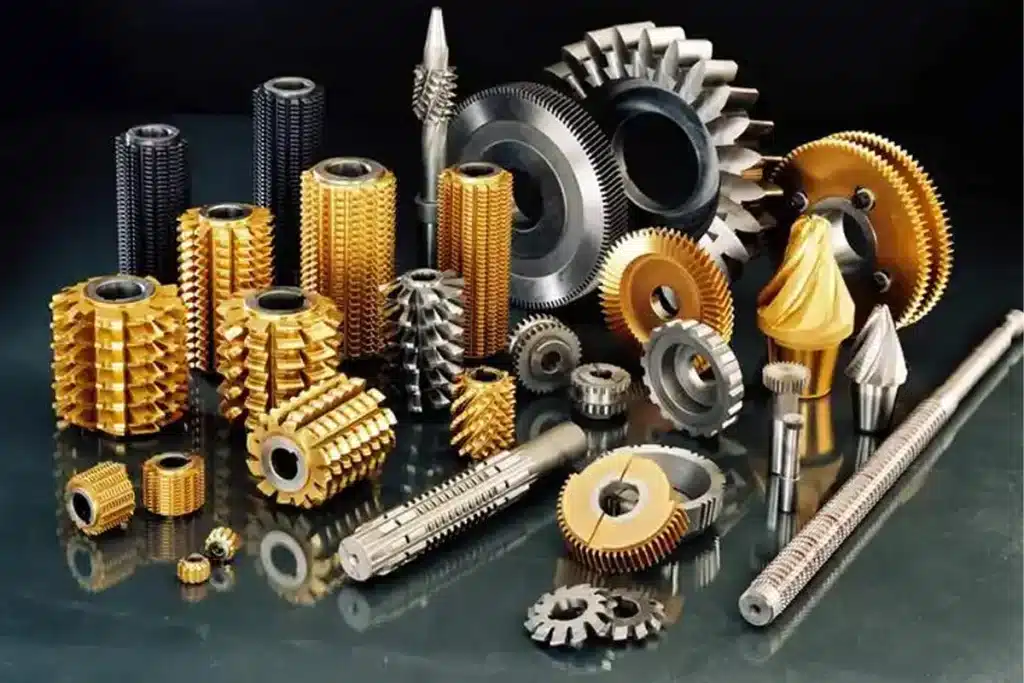
How Material Selection Affects Precision Machining
Material selection is not only about strength, weight, or corrosion resistance. In precision machining, the material's behavior during cutting can determine how consistently the required dimensions and surface finish are achieved.
Machinability
Materials with good machinability generally require less cutting force and produce more predictable results. Aluminum and brass, for example, are relatively easy to machine, while titanium and nickel-based alloys require more careful control of cutting conditions.
Machinability affects cycle time, tool selection, cutting parameters, surface finish, and dimensional consistency.
Hardness
Harder materials typically require more robust tooling and controlled cutting parameters. Excessive cutting forces can increase tool wear, heat generation, and the risk of dimensional variation.
For precision parts, hardness must therefore be considered together with the required tolerance, geometry, and production volume.
Thermal Expansion
Heat generated during machining can cause a material to expand temporarily. Once the part returns to a stable temperature, its dimensions can change.
This is particularly important when machining materials with higher thermal expansion or when holding tight tolerances. Temperature control, stable machining conditions, and appropriate inspection practices help reduce these effects.
Deformation
Thin walls, small features, and long unsupported sections can deform when machining forces are applied. The risk depends on both the material and the part geometry.
Machining strategy, workholding, tool selection, and material properties must be considered together when manufacturing thin or delicate precision components.
Tool Wear
Abrasive, hard, or work-hardening materials can accelerate tool wear. As a tool wears, cutting conditions can change and dimensional accuracy may gradually shift.
For production parts, monitoring tool condition and planning appropriate tool replacement or compensation helps maintain consistent dimensions across batches.
Surface Finish
Material behavior also affects the achievable surface finish. Cutting speed, feed rate, tooling, tool condition, and chip formation all interact with the material.
A suitable material and machining strategy can reduce burrs, tearing, built-up edge, and other surface defects while achieving the specified finish.

Aluminum Precision Machining
Aluminum is widely used for precision machined parts because it combines low weight, good machinability, corrosion resistance, and a strong strength-to-weight ratio. Its relatively easy cutting characteristics also make it suitable for prototypes and production components requiring consistent dimensional control.
Common Aluminum Alloys
Common alloys for precision machining include 6061, 7075, 2024, and 6082, with the appropriate grade depending on the part's mechanical, environmental, and machining requirements.
· 6061: General-purpose choice with good machinability and balanced mechanical properties.
· 7075: Higher strength-to-weight ratio, often selected for demanding structural components.
· 2024: High strength and fatigue performance, commonly used where these properties are important.
· 6082: Good machinability and mechanical performance, suitable for a range of precision components.
The alloy should be selected based on the part's actual requirements rather than machining ease alone.
Precision Machining Characteristics
Aluminum generally machines efficiently at relatively high cutting speeds, which can support short cycle times and good surface finishes. However, its lower hardness can also contribute to burr formation, built-up material on cutting tools, and deformation in thin sections.
For tight-tolerance parts, tool sharpness, workholding, cutting parameters, and temperature control remain important. The machining strategy should also account for the specific aluminum alloy and part geometry.
Typical Precision Aluminum Parts
Precision aluminum machining is commonly used for:
· Housings and enclosures
· Brackets and mounting components
· Robotic structural components
· Optical and instrumentation components
· Automotive components
· Aerospace structural parts
· Lightweight mechanical components
The right machining approach depends on the required tolerance, geometry, material grade, surface finish, and production volume.

Stainless Steel and Steel Precision Machining
Steel and stainless steel are widely used for precision machined parts that require strength, wear resistance, or durability. However, different steel grades can behave very differently during machining, so cutting conditions, tooling, and cooling must be matched to the material.
Stainless Steel
Stainless steel offers excellent corrosion resistance and mechanical strength, making it suitable for precision components used in demanding environments. Grades such as 304 and 316 are common choices, while other grades may be selected for higher strength or wear resistance.
Some stainless steels tend to generate more heat and can work-harden during cutting. Stable workholding, sharp tooling, appropriate cutting parameters, and effective chip evacuation are important for maintaining dimensional accuracy and surface quality.
Carbon Steel
Carbon steel generally offers good strength and relatively predictable machining behavior. Its machinability varies with carbon content and grade, so the material should be selected according to the required mechanical properties and machining requirements.
For precision parts, controlling cutting forces and tool condition helps maintain consistent dimensions. Surface finishing may also be applied when additional corrosion protection or a specific appearance is required.
Alloy Steel
Alloy steels contain additional elements that improve properties such as strength, hardness, toughness, and wear resistance. These properties can make them more demanding to machine than lower-carbon steels, particularly after heat treatment.
Higher hardness can increase cutting forces and tool wear. Machining parameters and tooling therefore need to be selected based on the specific alloy and hardness condition rather than treating all alloy steels in the same way.
High-Speed Steel
High-speed steel (HSS) is a tool steel designed to retain hardness at elevated temperatures. It is commonly associated with cutting tools and wear-resistant components, where hardness and thermal resistance are important.
HSS can be more difficult to machine than conventional steels because of its high hardness and wear resistance. Tool selection, heat control, and appropriate cutting conditions are essential when producing precision HSS parts.
Different Steel Machining Characteristics
The main machining differences between steel grades come from hardness, alloy composition, work hardening behavior, and heat generation. Softer steels may machine relatively easily, while hardened or highly alloyed steels can require more controlled processes.
Tool wear and heat are particularly important when machining harder materials. Excessive heat can affect dimensional stability and surface quality, while progressive tool wear can cause dimensions to shift during production. Proper tooling, coolant application, cutting parameters, and inspection help maintain consistent results.
Surface finish also depends on material condition, tooling, cutting parameters, and the final machining operation. For tight-tolerance steel components, these factors need to be considered together rather than optimized individually.

Precision Machining of Brass and Copper
Brass and copper are both suitable for precision machining, but their machining behavior is different. Brass generally offers excellent machinability, while copper is softer and more ductile and can require greater control to achieve clean cuts and consistent surfaces.
Brass
Brass is widely used for precision parts because of its good machinability, dimensional stability, corrosion resistance, and electrical conductivity. Common grades include C36000 and other brass alloys selected according to strength, conductivity, and environmental requirements.
Its good cutting characteristics allow efficient production of small, detailed components while maintaining consistent dimensions. The specific alloy still matters, particularly when the part requires higher strength or lead-free material.
Copper
Copper provides excellent electrical and thermal conductivity, making it valuable for electrical, thermal-management, and industrial components. However, its softness and ductility can make chip control and surface quality more challenging than with brass.
Sharp tooling, suitable cutting conditions, and effective chip evacuation help reduce burrs, deformation, and surface defects during precision copper machining.
Machinability and Dimensional Stability
Brass is generally easier to machine and can provide stable dimensional results with relatively predictable cutting behavior. Copper requires more attention to tool sharpness, cutting forces, heat, and deformation, especially for thin-walled or small precision parts.
For both materials, maintaining stable workholding and controlling tool wear are important when tight tolerances and repeatable dimensions are required.
Common Precision Brass and Copper Parts
Precision machining of brass and copper is commonly used for:
· Connectors and electrical contacts
· Fittings and valves
· Bushings and spacers
· Terminals and conductive components
· Heat-transfer components
· Precision fasteners
· Small mechanical components
The final material choice should consider not only machinability, but also the part's electrical or thermal requirements, strength, corrosion resistance, dimensional requirements, and intended operating environment.

Titanium Precision Machining
Titanium is widely used for precision components where high strength-to-weight ratio, corrosion resistance, and temperature performance are important. However, its material properties make machining more demanding than aluminum or conventional steels.
Why Titanium Is Challenging
Titanium has relatively low thermal conductivity, so heat generated during cutting tends to remain near the cutting zone rather than being quickly carried away by the workpiece. Its high strength also creates significant cutting forces.
These characteristics make tool selection, cutting parameters, workholding, and heat control especially important. Thin sections and complex geometries may also require additional attention to prevent deformation and dimensional variation.
Heat and Tool Wear
Heat concentration is one of the main challenges in precision titanium machining. Excessive cutting heat can accelerate tool wear and affect surface quality, while worn tools can gradually change cutting conditions and part dimensions.
Using sharp, suitable tooling, controlled cutting parameters, and effective coolant application helps manage heat and maintain consistent machining results.
Precision Titanium Applications
Precision titanium machining is commonly used for components where low weight and high strength are important, including:
· Aerospace structural and mechanical components
· Medical device components
· Robotics and high-performance mechanical parts
· Chemical and corrosion-resistant components
· Automotive performance components
The appropriate titanium grade and machining strategy depend on the required strength, corrosion resistance, geometry, tolerance, and production requirements.

Inconel Precision Machining
Inconel and other nickel-based superalloys are selected for precision parts that must withstand high temperatures, corrosion, and demanding mechanical loads. Their excellent performance in harsh environments also makes them more difficult to machine.
Work Hardening
Many Inconel grades can work-harden rapidly during machining. If cutting conditions allow the tool to rub or repeatedly pass over an already hardened surface, the material can become harder and more difficult to cut.
Maintaining a consistent engagement between the tool and workpiece is therefore important. Proper cutting parameters and machining strategies help avoid unnecessary rubbing and reduce the risk of work-hardening.
Heat Generation
Inconel has relatively low thermal conductivity, which can cause significant heat to remain concentrated around the cutting zone. This increases the thermal load on the cutting tool and can affect both tool life and surface quality.
Controlled cutting speeds, appropriate feeds, rigid setups, and effective coolant management are important for keeping machining conditions stable.
Tool Wear and Machining Control
High strength, work hardening, and heat generation can cause rapid tool wear when machining Inconel. As the tool deteriorates, dimensional accuracy and surface finish can become less consistent.
Precision Inconel machining therefore requires close control of tooling, cutting parameters, tool condition, and inspection. For production parts, planned tool changes and process monitoring can help maintain repeatable dimensions from the first part through the production batch.

Magnesium Alloy Precision Machining
Magnesium alloys are used for precision components where low weight, good machinability, and a high strength-to-weight ratio are important. Their low density makes them attractive for lightweight mechanical and structural parts, but machining requires appropriate process control.
Lightweight Machining Characteristics
Magnesium alloys are significantly lighter than aluminum and many steel alloys, while still providing useful mechanical strength. They can also be machined efficiently because of their relatively good machinability.
For precision parts, the selected magnesium grade, part geometry, wall thickness, workholding method, and cutting conditions all affect dimensional consistency.
Heat and Machining Safety
Magnesium machining requires careful control of chips, heat, and cutting conditions. Fine chips and excessive heat can create safety concerns, particularly when machining at inappropriate parameters.
Proper tooling, chip evacuation, coolant strategy, and housekeeping are important for maintaining a controlled machining environment while achieving the required surface finish and dimensions.
Common Magnesium Precision Parts
Magnesium alloys can be used for lightweight housings, brackets, structural components, electronic enclosures, and other weight-sensitive mechanical parts. The specific alloy and finishing process should be selected according to the component's mechanical, environmental, and dimensional requirements.

Engineering Plastics for Precision Machining
Engineering plastics are useful for precision parts that require low weight, corrosion resistance, electrical insulation, chemical resistance, or low friction. Compared with metals, however, plastics are generally more sensitive to temperature, cutting forces, moisture, and long-term dimensional changes.
PTFE (Teflon)
PTFE offers very low friction, excellent chemical resistance, and a wide operating temperature range. It is often used for seals, insulators, bushings, and other components where low friction or chemical resistance is required.
Its softness and high thermal expansion require careful control during machining, especially when tight dimensional tolerances are specified.
Nylon
Nylon is lightweight, tough, and wear-resistant, making it suitable for bushings, gears, rollers, guides, and other mechanical components. However, nylon can absorb moisture, which may change its dimensions and mechanical properties.
For precision nylon parts, material conditioning, storage, machining temperature, and inspection conditions should be considered together.
Carbon Fiber
Carbon-fiber-reinforced materials provide high stiffness-to-weight ratios and are used where lightweight structural performance is important. Machining can be more demanding because the reinforcement can be abrasive and may produce dust or edge damage if unsuitable tooling is used.
Tool selection and controlled cutting conditions are important for maintaining clean edges and consistent dimensions.
Acrylic (PMMA)
Acrylic, or PMMA, provides good optical clarity, weather resistance, and dimensional stability for many applications. It is commonly machined for transparent covers, optical components, displays, and protective enclosures.
Sharp tooling and suitable cutting conditions help prevent melting, cracking, chipping, and poor surface quality.
POM (Acetal)
POM provides good machinability, stiffness, dimensional stability, and low friction. It is widely used for precision mechanical parts such as gears, bushings, rollers, guides, and spacers.
Its relatively stable machining behavior makes POM a practical choice when a lightweight alternative to metal is required.
PEEK
PEEK is a high-performance engineering plastic used where high temperature resistance, chemical resistance, mechanical strength, and dimensional performance are required.
It can be machined into precision components for demanding applications, but controlling heat and cutting forces is important. PEEK is also available for additive manufacturing, providing another option for complex or low-volume parts.
Other Precision Plastics
Other materials used for precision plastic machining include ABS, PC, PP, UHMW-PE, PEI (Ultem), and other engineering-grade plastics. Each material has different levels of thermal expansion, stiffness, moisture absorption, and machinability.
When selecting a plastic for a precision machined part, these factors should be evaluated together:
· Thermal expansion: Temperature changes can cause noticeable dimensional changes in some plastics.
· Deformation: Softer or more flexible materials may deform under clamping or cutting forces.
· Moisture: Materials such as nylon can absorb moisture and change dimensions over time.
· Dimensional stability: The material's temperature, moisture, and mechanical behavior should match the required tolerance and operating environment.
For tight-tolerance plastic components, material selection and machining conditions are closely connected. The correct choice should be based on the part's function, environment, required tolerance, and long-term dimensional requirements, not simply the material's nominal strength.

How to Choose a Material for Precision Machined Parts
The right material should be selected based on the part's function and operating environment, not simply its machining cost or mechanical strength. A practical material selection process should consider the following factors.
Functional Requirements
Start with what the part needs to do. Sealing, electrical conductivity, wear resistance, structural support, chemical resistance, and low friction can all lead to different material choices.
The material should provide the properties required for the finished component throughout its expected service life.
Strength
Consider the loads, impact, pressure, and mechanical stress the part will experience. Aluminum may be suitable for lightweight structural parts, while steel, titanium, or high-performance alloys may be required for higher mechanical loads.
Weight
For aerospace, robotics, automotive, and other weight-sensitive applications, material density can be an important design factor. Aluminum, magnesium, titanium, and engineering plastics can provide different ways to reduce component weight while maintaining the required performance.
Temperature
Operating temperature can significantly affect material performance and dimensional behavior. For components exposed to elevated temperatures, materials such as stainless steel, titanium, Inconel, or PEEK may be considered depending on the application.
The actual operating temperature, exposure time, and surrounding environment should all be evaluated.
Corrosion Resistance
Parts exposed to moisture, chemicals, salt, or other corrosive environments require appropriate material selection. Stainless steel, titanium, certain aluminum alloys, engineering plastics, and other corrosion-resistant materials may be suitable depending on the application.
Machinability
Two materials with similar mechanical properties can have very different machining requirements. Material machinability affects tooling, cycle time, surface finish, and production consistency.
For precision parts, the material should provide the required performance while remaining practical to manufacture.
Required Precision
The required tolerance should also be considered during material selection. Materials that are highly sensitive to heat, moisture, or machining forces may require additional process control when very tight tolerances are specified.
The best choice is therefore the material that can meet the functional, environmental, dimensional, and manufacturing requirements of the part as a whole.

Precision Machining Material Selection FAQs
Are there materials other than those listed above for precision machining?
Yes. Precision machining is not limited to the materials covered in this guide. Depending on the application, manufacturers can also machine tool steels, nickel alloys, copper alloys, magnesium alloys, titanium alloys, PEI (Ultem), PC, ABS, PP, UHMW-PE, and other engineering materials.
The available material should be matched to the part's performance requirements and manufacturing process.
Can you machine custom or customer-specified materials?
Yes. When a project requires a specific material or grade, the material specification can be reviewed before production. This is particularly important when the drawing requires a particular alloy, grade, temper, hardness, or material standard.
Can I get material certificates for precision machined parts?
Material documentation can be provided when required, depending on the material and project requirements. Material certificates and relevant inspection reports can help verify the supplied material against the specified grade and requirements.
For regulated or traceability-sensitive applications, material documentation should be defined as part of the RFQ.
How many materials are available for precision machining?
Dakings supports 500+ material options for different precision machining and manufacturing requirements, covering metals, alloys, and engineering plastics.
Can the same precision part be made from different materials?
In many cases, yes. Several materials may meet the basic dimensional requirements while providing different levels of strength, weight, corrosion resistance, wear resistance, temperature performance, or cost.
When multiple materials are technically viable, the final choice should be based on the actual operating requirements rather than dimensions alone.
How do I specify material requirements in a CNC machining RFQ?
Provide the material grade or specification, required quantity, drawing or 3D model, surface finish, heat treatment if applicable, and any required certification or inspection documentation.
If the exact material has not yet been determined, include the part's operating conditions and functional requirements so the machining team can recommend suitable options.
