



Die Optimierung der fertigungsgerechten Konstruktion (DfM) von Edelstahlbauteilen erfordert einen strategischen Ansatz, um die geringe Wärmeleitfähigkeit und die hohe Duktilität des Werkstoffs, die ihn zur Kaltverfestigung prädisponieren, zu verringern. Im Gegensatz zu frei zerspanbarem Aluminium erfordern Sorten wie 304 und 316 robuste Teilegeometrien, um den erheblichen Schnittkräften standzuhalten; Konstrukteure sollten größere innere Eckenradien bevorzugen, um starre Werkzeuge unterzubringen und tiefe, enge Taschen zu vermeiden, die den Kühlmittelzugang einschränken. Darüber hinaus ist die Einhaltung konservativer Wanddickenschwellen - in der Regel über 1,5 mm - entscheidend, um Ratterer und Durchbiegungen zu vermeiden und sicherzustellen, dass Maßtoleranzen eingehalten werden, ohne dass es zu übermäßigem Werkzeugverschleiß oder thermischer Verformung kommt.
Optimierung des Gewindedesigns für Komponenten aus Edelstahl
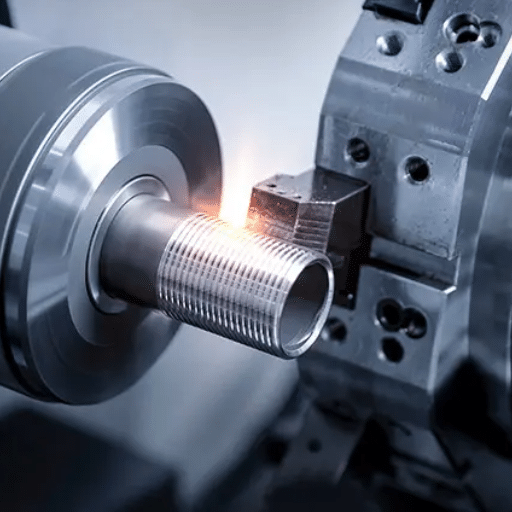
Die Optimierung der Gewindekonstruktion für Komponenten aus rostfreiem Stahl ist von entscheidender Bedeutung, um häufige Versagensarten wie Fressen (adhäsiver Verschleiß) und Kaltverfestigung während der Herstellung zu verhindern. Da austenitische Stahlsorten wie 304 und 316 eine hohe Duktilität aufweisen, neigen sie dazu, sich während der Montage festzufressen. Daher sollten Ingenieure grobe Gewindesteigungen und spezifische Toleranzklassen (z. B. 2A/2B) bevorzugen, die genügend Spielraum für eine Anti-Seize-Schmierung lassen. Eine wirksame Konstruktion erfordert auch die Integration von Hinterschneidungen zur Verringerung von Spannungskonzentrationen und eine sorgfältige Bewertung der Legierungszusammensetzung, wobei die überlegene Korrosionsbeständigkeit von Nickel-Chrom-Sorten gegen die bessere Bearbeitbarkeit von martensitischen oder ferritischen Alternativen abzuwägen ist. Letztendlich erfordert die Herstellung von dauerhaften Gewinden in diesen zähen Werkstoffen starre Werkzeugeinrichtungen und einen aggressiven Kühlmittelauftrag, um der Tendenz des Metalls entgegenzuwirken, sich eher plastisch zu verformen als sauber zu scheren.
Richtlinien zur Materialauswahl für Gewindekomponenten

Die Auswahl der geeigneten Werkstoffsorte für Gewindeteile erfordert ein Gleichgewicht zwischen der Bearbeitbarkeit und den spezifischen Anforderungen an die Umwelt und die mechanische Leistung. Während austenitische nichtrostende Stähle wie 304 eine ausreichende Korrosionsbeständigkeit und eine einfachere Bearbeitung für die allgemeine Montage bieten, ist die mit Molybdän angereicherte Zusammensetzung der Sorte 316 für Gewindeanwendungen in chloridreichen oder marinen Umgebungen notwendig, um Lochfraß und Spannungsrisskorrosion zu verhindern. Umgekehrt werden Kohlenstoffstähle nach ihrem Kohlenstoffgehalt kategorisiert, um den strukturellen Belastungen gerecht zu werden: Varianten mit niedrigem Kohlenstoffgehalt werden vorrangig für die Schweißbarkeit in der allgemeinen Konstruktion verwendet, Sorten mit mittlerem Kohlenstoffgehalt werden für verschleißfeste Maschinenelemente wie Zahnräder und Achsen wärmebehandelt, und Werkzeugstähle mit hohem Kohlenstoffgehalt werden für Schneidkanten verwendet, die maximale Härte und Abriebfestigkeit erfordern. Letztlich muss der Gewindeschneidprozess selbst - ob Schneiden oder Walzen - auf die Duktilität und Kaltverfestigung des Werkstoffs abgestimmt sein, um Dauerfestigkeit und Maßhaltigkeit zu gewährleisten.
Vergleich zwischen 304 und 316 Edelstahl
Bei der Wahl zwischen den Edelstahlsorten sind SS 304 und SS 316 die beiden wichtigsten Optionen, die jeweils einzigartige Eigenschaften aufweisen und für unterschiedliche Anwendungen geeignet sind. Beide sind im Wesentlichen austenitische nichtrostende Stähle. Das bedeutet, dass sie nicht magnetisch sind und eine ausgezeichnete Korrosionsbeständigkeit aufweisen, obwohl leichte Unterschiede in der chemischen Zusammensetzung zu unterschiedlichen Leistungsmerkmalen führen können.
Vergleichstabelle
| Eigentum | 304 Edelstahl | Edelstahl 316 |
|---|---|---|
| Chromgehalt | 18-20% | 16-18% |
| Nickelgehalt | 8-10.5% | 10-14% |
| Molybdän-Gehalt | Keine | 2-3% |
| Korrosionsbeständigkeit | Gut | Hoch (insbesondere gegen Chloride) |
| Zugfestigkeit | 505-600 MPa | 515-620 MPa |
| Kosten | Unter | Höher |
Die Kenntnis der spezifischen Vorteile und Grenzen von Edelstahl 304 und 316 hilft Ihnen bei der Auswahl der am besten geeigneten Sorte für die Umgebungs- und Leistungsanforderungen Ihrer Anwendung.
Strategische Auswahl von Gewindewerkzeugen und Einsätzen

Die Auswahl des optimalen Gewindeschneidwerkzeugs erfordert eine systematische Bewertung der Bearbeitbarkeit des Werkstücks, der Bohrungstopologie und des Produktionsvolumens, um Maßhaltigkeit und Prozessstabilität zu gewährleisten. Während Schnellarbeitsstahl (HSS) nach wie vor der Industriestandard für allgemeine Duktilität ist, erfordert die Bearbeitung von abrasiven oder hochfesten Superlegierungen oft kobaltangereicherte Substrate oder Vollhartmetallwerkzeuge, die mit reibungsmindernden Beschichtungen wie Titancarbonitrid (TiCN) behandelt wurden, um die thermische Degradation zu verringern. Bei Durchgangsbohrungen müssen die Ingenieure spiralförmige Gewindebohrer spezifizieren, um die Späne axial nach vorne auszuschleudern, während bei Sacklöchern spiralförmige Nutengeometrien erforderlich sind, um die Späne nach hinten abzuführen und Packungen zu vermeiden. Neben den Zerspanungswerkzeugen ist die Integration spiralförmiger Wendeschneidplatten ein Standardverfahren des Design for Manufacturing (DfM) zur Verstärkung von Gewinden in Werkstoffen mit geringer Scherfestigkeit wie Aluminium oder Kunststoffen, wodurch die Ermüdungsfestigkeit erheblich verbessert wird und wiederholte Montagezyklen ohne Gewindeverschleiß möglich sind.
Fügen Sie hier Ihren Überschriftentext ein
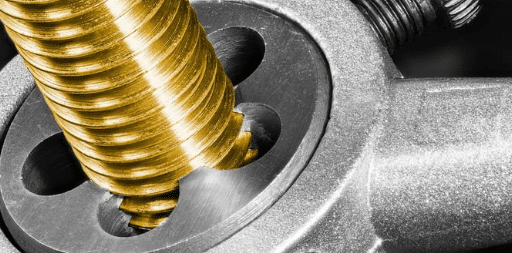
Ein effektives Wärmemanagement ist beim Gewindeschneiden von entscheidender Bedeutung, da die Kombination aus hoher Reibung und schneller plastischer Verformung die Werkstoffe - insbesondere kaltverfestigende Legierungen - zur Kaltverfestigung prädisponiert. Wenn die Wärme nicht effizient aus der Scherzone abgeleitet wird, können lokale Temperaturspitzen mikrostrukturelle Veränderungen beschleunigen, die die Härte des Werkstücks drastisch erhöhen und zu vorzeitigem Werkzeugversagen, einer Verschlechterung der Oberflächengüte und Maßabweichungen führen. Um diese Risiken zu minimieren, müssen die Ingenieure aggressive Kühlstrategien einsetzen, wobei Hochdruck-Kühlmittelsysteme (HPC) mit Düsen, die genau auf die Schnittfläche ausgerichtet sind, um die Dampfsperre zu durchdringen und die notwendige Schmierfähigkeit zu gewährleisten, Vorrang haben. Darüber hinaus sind die Minimierung der Werkzeugverweildauer durch optimierte Vorschubgeschwindigkeiten und die Verwendung scharfer, beschichteter Schneidgeometrien wesentliche Praktiken, um das Auftreten von Kaltverfestigung zu verhindern und eine gleichbleibende Gewindequalität zu gewährleisten.
Hochpräzises Gewindeschneiden erfordert eine ganzheitliche Steuerungsstrategie, die die Schneidengeometrie, die Maschinenkinematik und das Wärmemanagement integriert. Die Bediener müssen anwendungsspezifische Werkzeuge mit optimierten Spanwinkeln auswählen, um die Profiltreue zu erhalten, und die Schneidkanten streng auf Verschleiß überwachen, der zu Steigungsfehlern oder Oberflächenunregelmäßigkeiten führen könnte. Abgesehen von den Werkzeugen hängt die Maßgenauigkeit von einer stabilen Werkstückspannung und einer präzisen Spindelkalibrierung ab, um Rundlauffehler und Rattererscheinungen während des Bearbeitungszyklus zu vermeiden. Darüber hinaus ist die Synchronisierung der berechneten Vorschübe und Drehzahlen mit einer gezielten Schmierung von entscheidender Bedeutung für die Ableitung der Scherwärme, wodurch thermischer Verzug verhindert und die Einhaltung strenger Toleranzklassen gewährleistet wird.
Die Prozesssicherheit beim CNC-Gewindeschneiden hängt von der präzisen Steuerung der Schnittparameter, der Schmierung und der Maschinenausrichtung ab. Eine Abweichung von den optimalen Oberflächengeschwindigkeiten oder Vorschubgeschwindigkeiten erzeugt übermäßige Scherwärme, was zu einem schnellen Werkzeugverschleiß und Maßabweichungen führt. Diese Instabilität wird durch eine unzureichende Kühlmittelzufuhr noch verstärkt, was die Reibung und die Gefahr des Ausfressens erhöht, insbesondere bei zähen Werkstoffen. Darüber hinaus ist die Aufrechterhaltung einer strikten Konzentrizität zwischen dem Fräser und dem Werkstück von entscheidender Bedeutung; selbst geringfügige axiale Fehlausrichtungen oder Rundlaufabweichungen der Spannvorrichtung führen unweigerlich zu fehlerhaften Gewindeprofilen und verschrotteten Bauteilen, was die Notwendigkeit einer strengen Überprüfung der Einrichtung unterstreicht.
Referenzen
- Gewinde und Designüberlegungen
In diesem Dokument werden die Länge des Gewindeeingriffs und andere Konstruktionsüberlegungen für Gewindekomponenten erörtert.
Lesen Sie hier mehr - Handout für Verschlüsse
Gibt Aufschluss über Gewindehöhe und -eingriff, insbesondere bei Materialien wie Stahl.
Lesen Sie hier mehr - Herstellung von kleinen Löchern und Gewinden
Untersucht Methoden wie Schneiden, Kaltverformung und Fräsen zur Herstellung von Innengewinden.
Lesen Sie hier mehr - CNC-Bearbeitungsdienstleistungen für Edelstahl